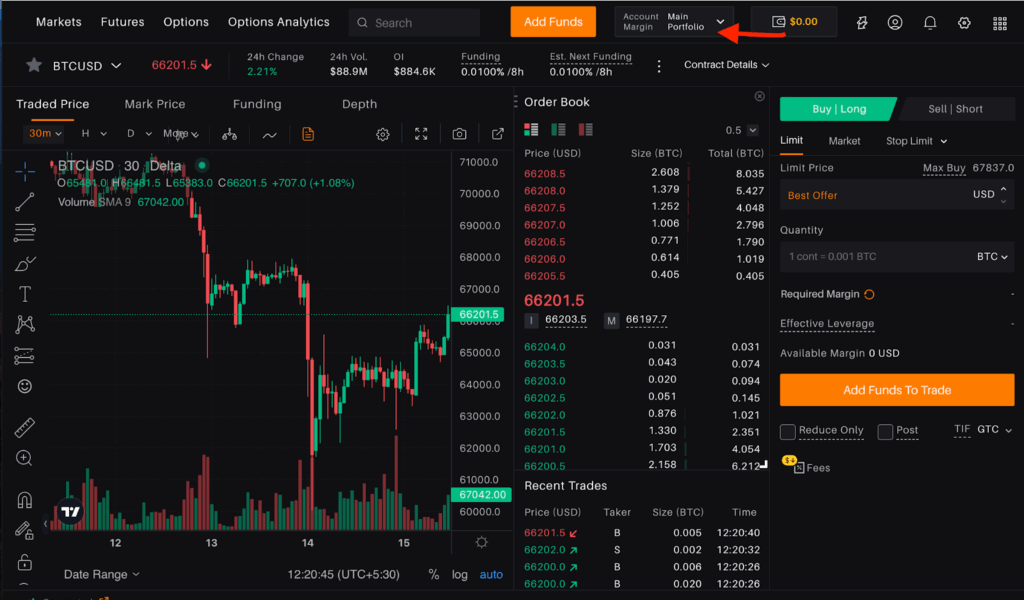

Binance, one of the world’s largest cryptocurrency exchanges, manages millions of trades daily with remarkable efficiency and speed. This capability is a result of a combination of advanced technology infrastructure, robust risk management systems, and continuous innovation tailored to meet the demands of an ever-growing user base.
At the core of Binance’s ability to handle such massive trading volumes lies its high-performance matching engine. The matching engine is responsible for pairing buy and sell orders in real-time. Unlike traditional stock exchanges that may process transactions in batches or at fixed intervals, Binance’s system operates on a continuous basis with ultra-low latency. This means orders are matched within milliseconds, enabling seamless execution even during periods of extreme market volatility when trade volumes spike dramatically.
To support this rapid processing speed, Binance leverages distributed computing architecture across multiple data centers worldwide. By decentralizing its server infrastructure, it ensures redundancy and minimizes downtime risks. This global distribution also reduces latency by bringing servers closer to users geographically, enhancing overall responsiveness. Moreover, the platform employs load balancing techniques that dynamically allocate resources based on demand fluctuations to avoid bottlenecks during peak trading hours.
Security plays a critical role in managing millions of trades safely every day. Binance implements general usage overview multi-layered security protocols including encryption technologies for data transmission and storage as well as comprehensive monitoring systems designed to detect suspicious activities instantly. Automated anti-fraud algorithms analyze transaction patterns continuously to prevent manipulation or unauthorized access attempts without impacting legitimate user activity.
Another important factor contributing to Binance’s operational success is its scalable microservices architecture. Instead of relying on monolithic applications which can become overwhelmed under heavy loads, microservices allow different components-such as order processing, wallet management, user authentication-to operate independently yet cohesively through APIs (Application Programming Interfaces). This modular approach facilitates easier updates and maintenance while ensuring uninterrupted service availability even as new features are introduced.
Furthermore, Binance invests heavily in artificial intelligence (AI) and machine learning tools that optimize trade execution strategies and enhance customer experience by providing personalized recommendations or predictive analytics about market trends. These intelligent systems help traders make informed decisions quickly while simultaneously optimizing backend operations like liquidity provision or risk assessment.
In summary, Binance’s capacity to handle millions of trades daily results from integrating cutting-edge technology with strategic infrastructure design focused on speed, scalability, security-and constant innovation aimed at adapting swiftly within the rapidly evolving cryptocurrency landscape. Through these efforts combined with rigorous operational discipline and customer-centric services offering wide asset variety globally accessible 24/7-Binance continues setting industry benchmarks for performance reliability in digital asset exchange platforms worldwide.